More Than Pixels: Why the Future of Art Still Needs the Human Heart
By Riccardo Sai, Director & Founder at STORO

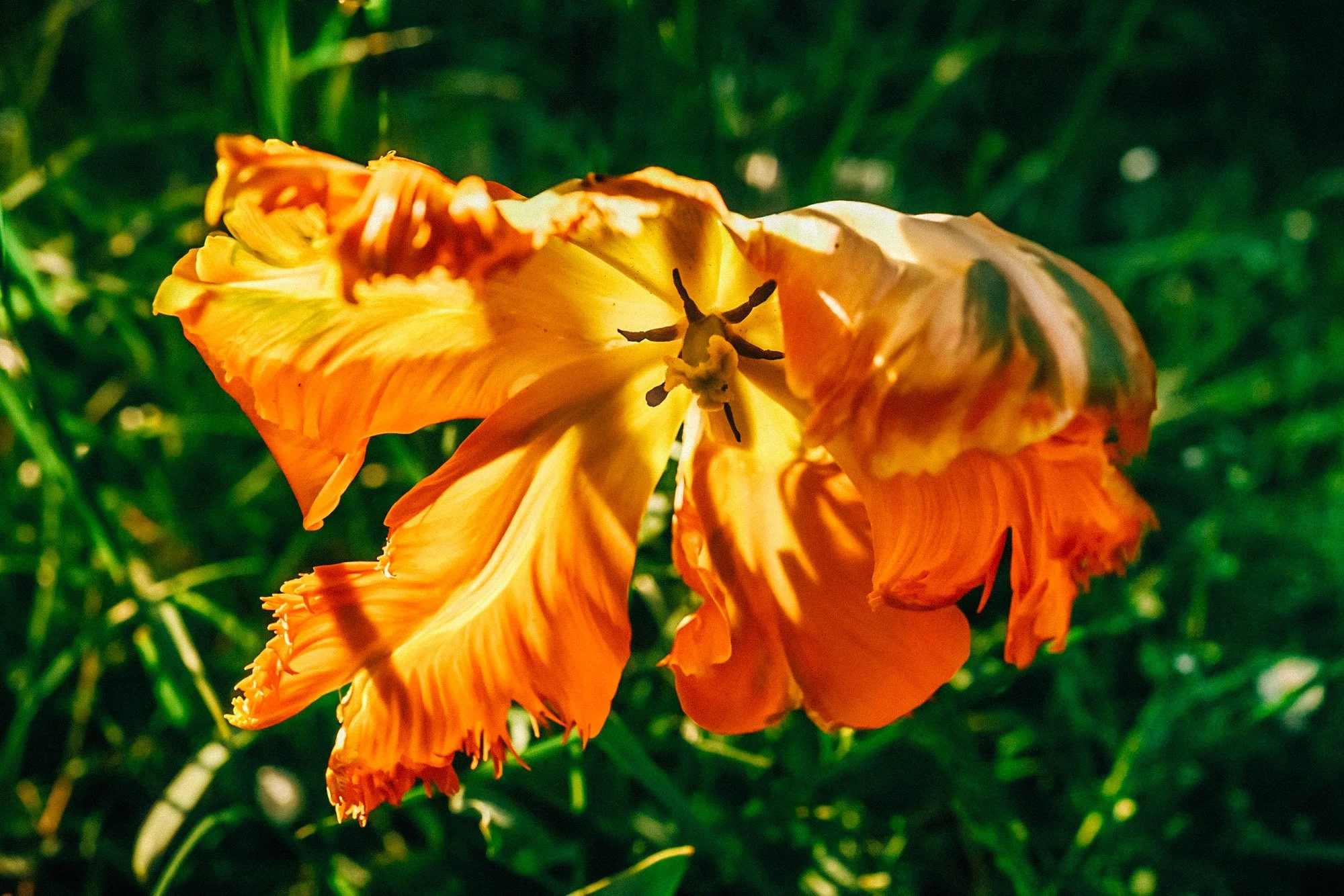
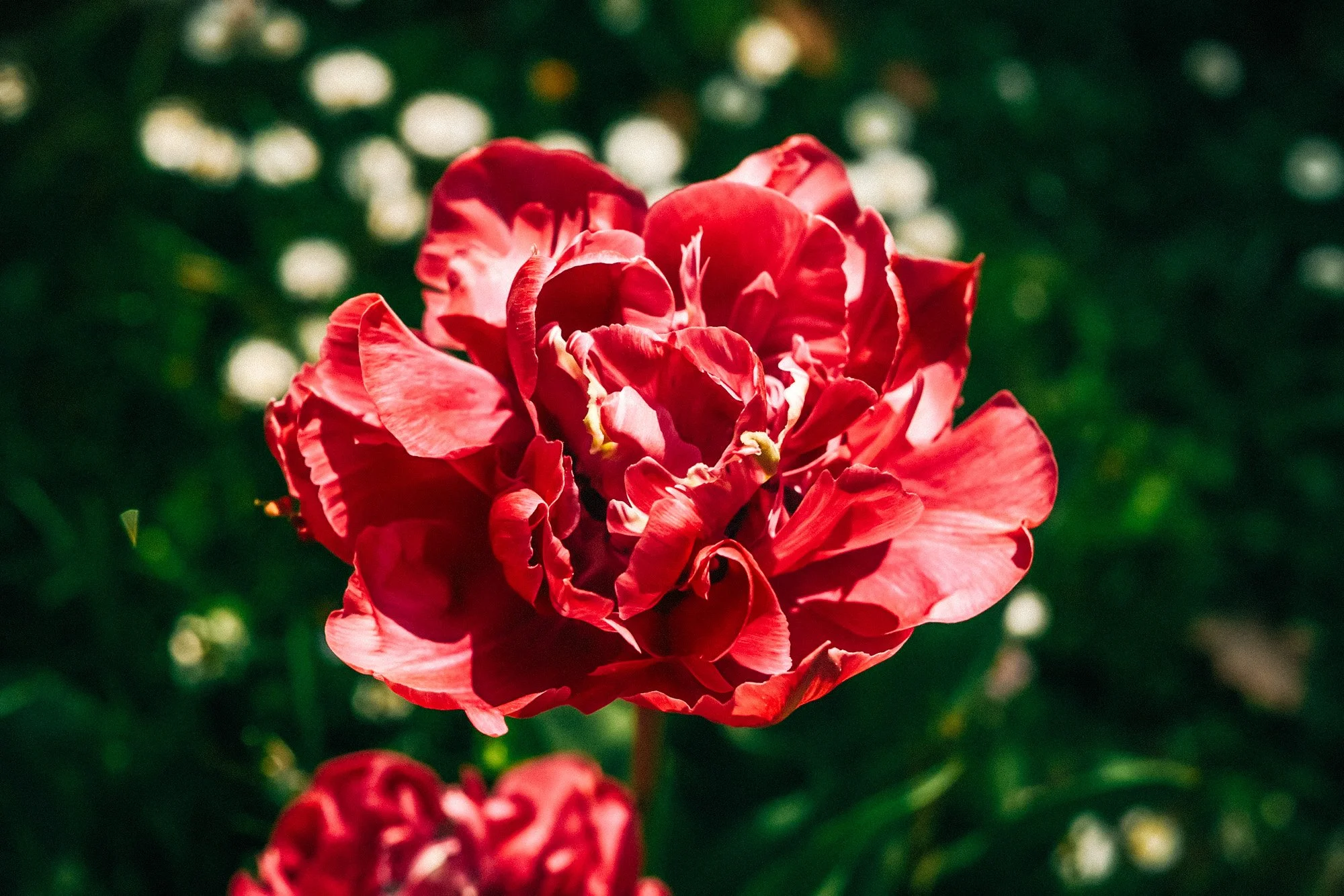

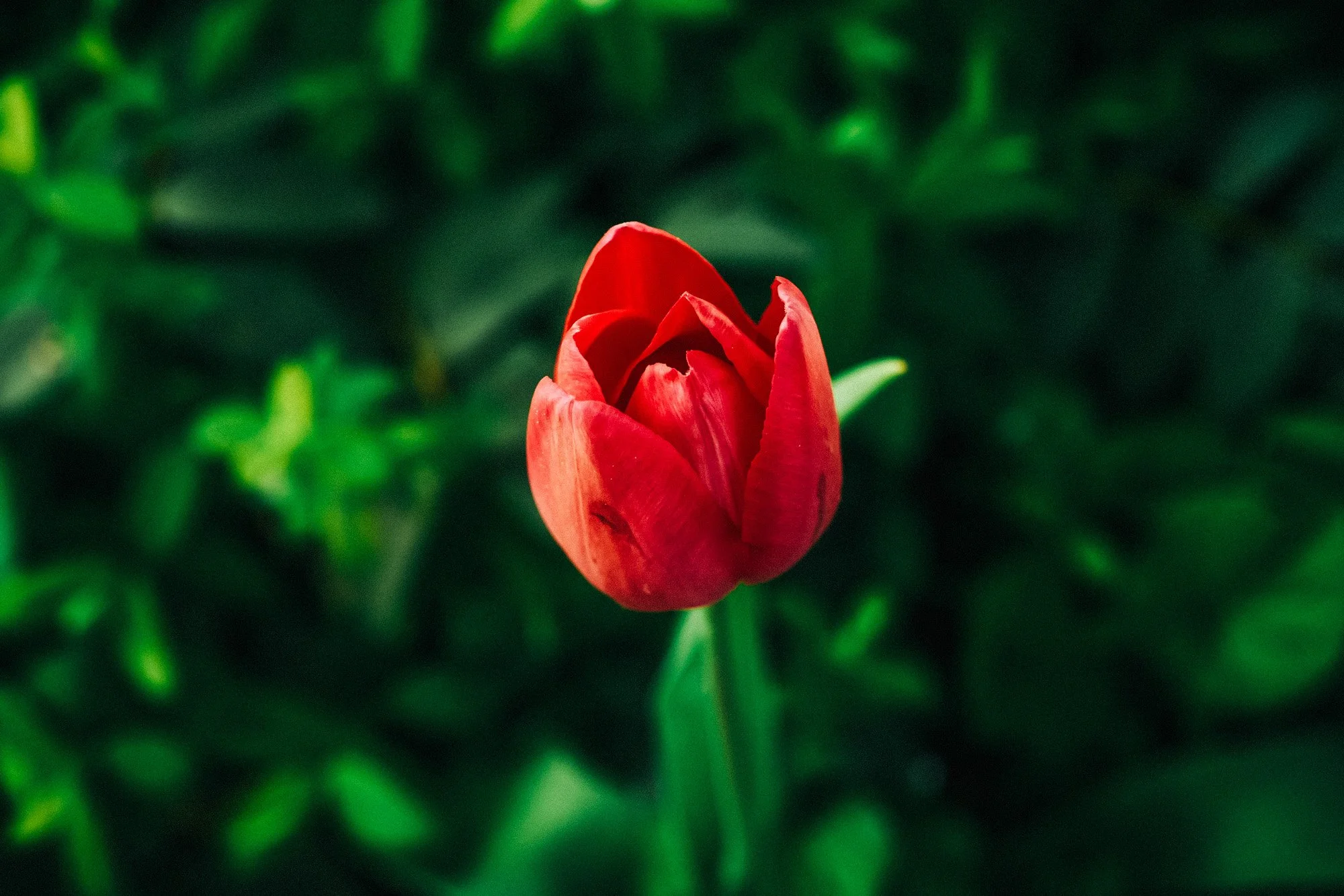
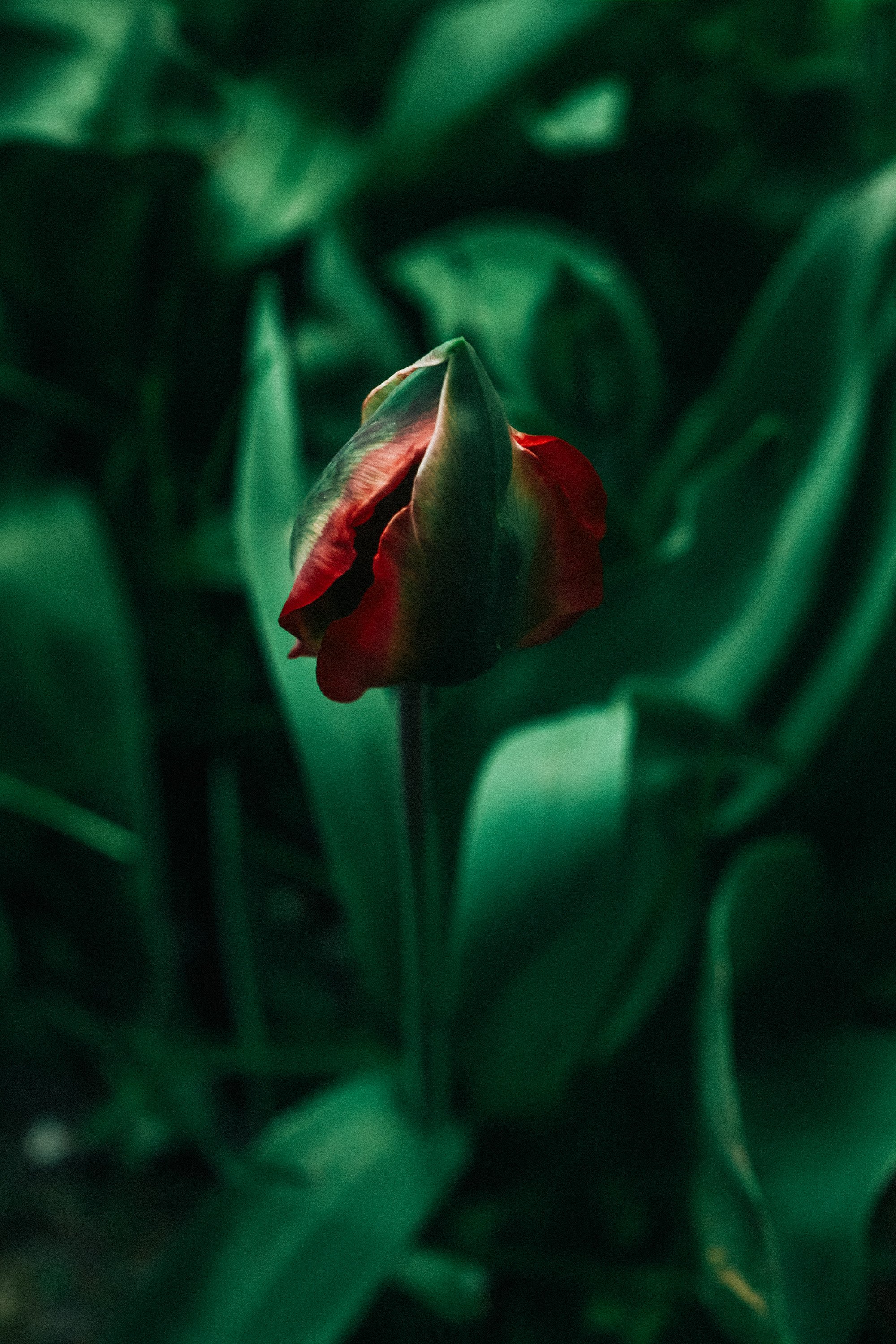
Who do you think took these photos?
Were they crafted by a photographer—or conjured by artificial intelligence? Go on, take a guess.
The answer? These aren’t AI-generated images. They were all photographed by me, in my mother’s garden in northern Italy. And yes, I’ve used AI to enhance a few of them—removing some rogue leaves and distractions that interrupted the flow of the image. But the heart, the soul, the story behind them? That is mine, through and through.
Could AI reproduce these photos, given the right prompts and visual references? Quite possibly. And in the near future, almost certainly. AI may soon be able to create images that, pixel by pixel, resemble these almost perfectly.
But here’s where I draw the line: it might replicate the look, but it cannot recreate the life behind the lens.
Because these images are much more than a set of pixels and numbers, colours and shapes. They carry stories—layers upon layers of them. They are echoes of moments, reflections of human choices, artefacts of personal histories.
What you see on the screen, in the print, within those four sides of the frame—that’s only part of the story.
Let me take you behind the frame.
These flowers? They’re not just beautiful—they’re loved. They are chosen by my mum, who spends hours leafing through catalogues and wandering markets across the north of Italy, searching for the right bulbs, the perfect hues, the best timing. Some never bloom—moles might get to them first. But when they do, when the weather holds, the garden becomes a living canvas. My mum doesn’t just grow a garden—she curates an experience. She welcomes visitors into it, walks them through every blossom, tells them stories about each one. Her garden is her language.
That’s one layer. Then there’s the photography.
The light I waited for. The angle I chose. The lens—an old Russian one I found on eBay—that gives just the right softness at the edges. The years of learning, failing, studying light, mastering shutter speed, depth of field, the nuances of aperture. The hours behind the camera. The imperfection I chose not to correct. Every decision—technical, emotional, artistic—built these images.
AI might be able to generate a near-identical image. But it will never replicate the human struggle of the artist who created it, the years it took to refine a personal style, or the tiny imperfections that make a piece of art one-of-a-kind. These imperfections are not flaws—they’re the fingerprint of authenticity.
This is my point, and it goes beyond the ethics of AI or the debate around lost creative jobs. My point is simpler, deeper: AI can’t capture the complexity of the human experience that generates real art.
Most of that story, you can’t fully grasp in the image. But it’s there. It informs the photograph like a ghost—felt more than seen. The human encompasses space and time. AI exists only in the now.
And these images—mine, yours, anyone’s—tell a thousand stories AI can’t begin to understand.
So yes, AI is a tool. A good one. I use it. But it’s just that: a tool. If you’re a brand with purpose—if you want to communicate meaningfully, memorably, and truthfully—then it’s people you need. People with the ability to weave meaning into imagery. People who can hear the story beneath the surface. People who know how to craft work that resonates far deeper than a scroll.
At STORO, this is what we believe in. It’s what we do.
We create purposeful, powerful visual stories that don’t just look good—they feel right. Because they come from a place of truth, humanity, and understanding. Our films and photography aren’t just services. They’re experiences, layered with intention.
If you’re ready to bring your mission, your values, your products and services to life—authentically and artfully—we’d love to talk.
Let’s make something real.