
How a single film brief for NESO became a full campaign, and what that taught us about energy communications.
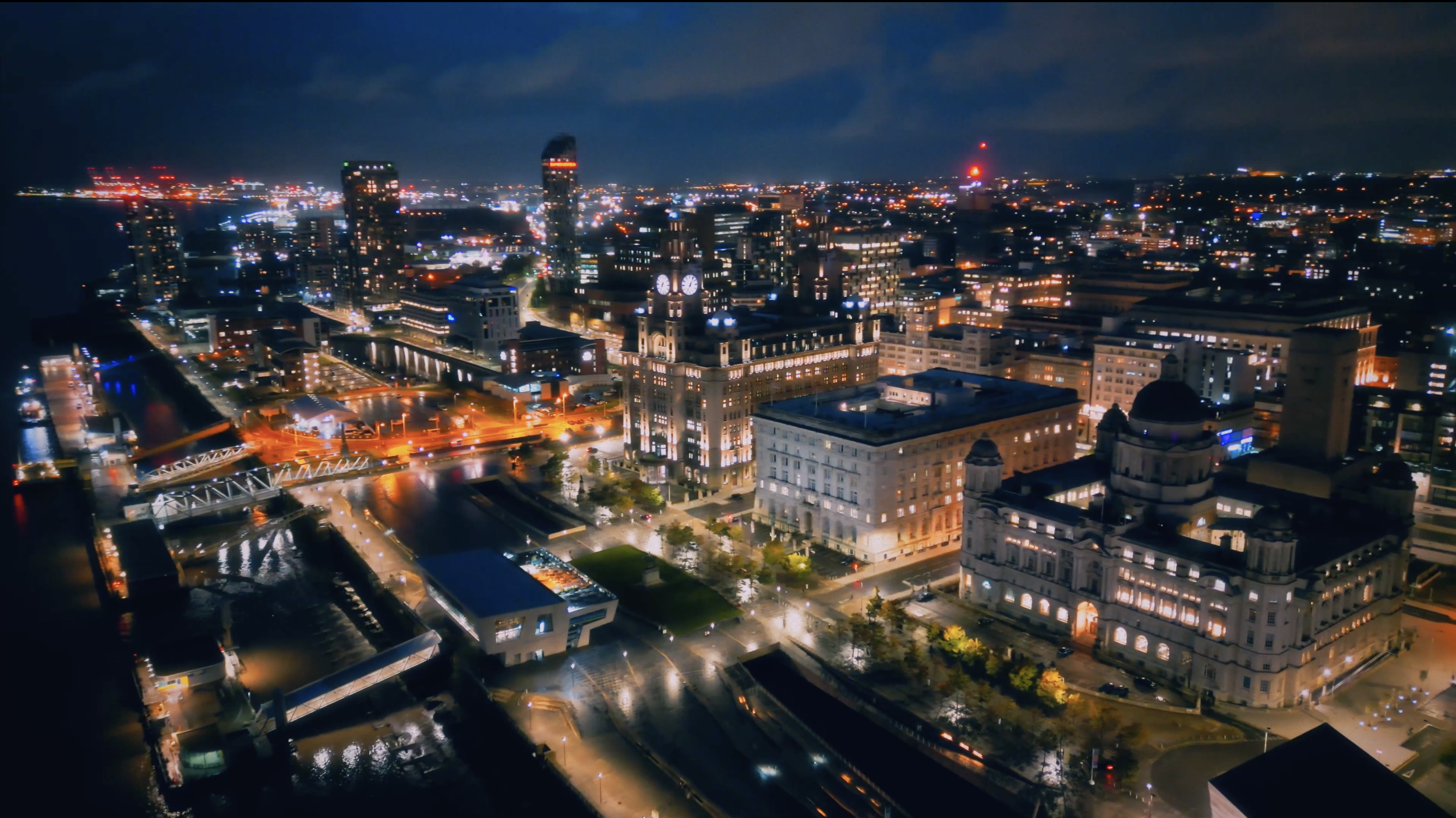
a frame from the film
What the brief never says.
How a single film brief for NESO became a full campaign, and what that taught us about energy communications.
There is a pattern we have noticed working in the energy sector.
The brief comes in clean. One film. Sixty seconds. A deadline. A budget. Clear enough. And then you start asking questions, and you realise the brief is not actually the brief.
What is missing underneath it is not a film. It is a narrative. A way of framing something complex so that the people who need to act on it can understand why it matters to them.
This is what happened with NESO.
The National Energy System Operator approached us through their Power Responsive programme with a straightforward ask: produce one film to support their campaign on demand-side flexibility. Flexibility is one of the UK government's top priorities for reaching Clean Power 2030. It is also, as a concept, genuinely difficult to communicate. Technical. Abstract. Easy to explain in policy language, hard to make feel urgent or personal.
We said yes to the film. But we also said: let us start somewhere else.
The story gap is rarely where you think it is.
Before we touched a frame, we ran workshops with the Power Responsive team. We wanted to understand the communication challenge, not just the deliverable. What we found was something we have seen quite a few times in this sector: strong technical knowledge, a passionate internal team, a clear mission, and almost no shared framework for talking about it outward.
There was no unifying idea. No campaign concept. No way to take something important and make it land with the busy decision-makers who needed to act on it.
So we built one.
The work started with a narrative matrix, audience mapping, and a creative brief. Strategy and creative development ran in parallel because the deadline was real and the timeline was tight. And from that process, a campaign idea emerged: Flexibility Is Our Hidden Power.
The concept reframed flexibility from a technical obligation into something people could feel. A shared national strength, sitting unused. An opportunity hiding in plain sight.

a frame from the film
You do not always need a film crew.
Here is something we have learned from years of working in sustainability and impact communications. Budget is rarely the limiting factor. The real constraints are almost always narrative clarity, team courage, and the willingness to trust a creative idea.
On the NESO project, on-location filming was not possible within the timeline or the budget. So we worked with a team of senior editors and motion designers, carefully selected and graded footage from image databases, wrote a crafted voiceover, and built three films that felt purpose-made.
We had agreed to deliver one hero film. What we actually built was a campaign: three entirely distinct films, each tailored to a different audience and context, alongside the strategy, the narrative framework, and the tagline that held it all together.
One member of the NESO team said she felt quite emotional when she first saw the films. That was exactly the reaction we were working towards.
When storytelling becomes strategy.
The films launched at EMEX 2025 at ExCeL London, in front of thousands of energy management professionals, sustainability leads, and net-zero decision-makers. They played on loop at NESO's stage and exhibition stand throughout the event. The campaign tagline has since been adopted across LinkedIn banners, stakeholder communications, and further energy events. Senior figures at DESNZ have cited the importance of the flexibility work that the campaign directly supported.
But the part that matters most to us is simpler than that.
We went into this project as a creative partner, and we left as something more. The work opened a relationship with NESO and its wider network, which has continued to grow. It confirmed something we believe quite deeply at Storo: the organisations doing the most important work are often the ones who find it hardest to talk about it. The substance is there. The conviction is there. What is missing is the story.
And when you find that story, things move.
Energy flexibility is central to Britain's Clean Power 2030 plan. NESO has set a target to unlock an additional 750MW of industrial and commercial flexibility by 2030. Technical programmes of that scale only succeed when enough people understand them, trust them, and decide to participate.
That is a communications challenge as much as it is a policy one.
If you are working on a programme or project in the energy transition and wondering whether your communications do justice to the work, we would say: they probably do not. Not yet. Most of the time, what is missing is the frame.
We would be glad to help you find it. You can read the full case study here, and if something resonates, drop us a line.
Read the case study here